
Choosing the right coverings for your windows can affect privacy, comfort, lighting, and the overall appearance of a room. Each option offers a different balance of style, function, cost, and maintenance. This article goes over the main advantages and disadvantages you should consider before making a decision.
What To Know About All Window Treatment Styles
Window coverings do more than complete the look of a room. They can block outside views, soften bright sunlight, reduce glare, and help control indoor temperatures.
Some options are mainly decorative, while others are designed to provide strong privacy or light control. Before choosing anything, think about what the room needs during the day and at night.
Cost, cleaning, and daily operation should also be considered. A beautiful covering may not be practical if it collects dust easily or requires constant adjustment. Homes with children and pets may need cordless products or durable materials that can handle regular use.
The best choice is one that fits the room’s appearance without making everyday life more difficult. Measuring each window carefully can also prevent gaps, poor movement, and unexpected window treatment installation problems.
Advantages and Drawbacks of Blinds
Blinds provide flexible control over light because their slats can be tilted to different angles. Homeowners can allow daylight into a room without leaving the entire window exposed.
Blinds are commonly made from vinyl, aluminum, wood, or composite materials. Vinyl and aluminum are usually affordable, while wood provides a richer appearance at a higher price.
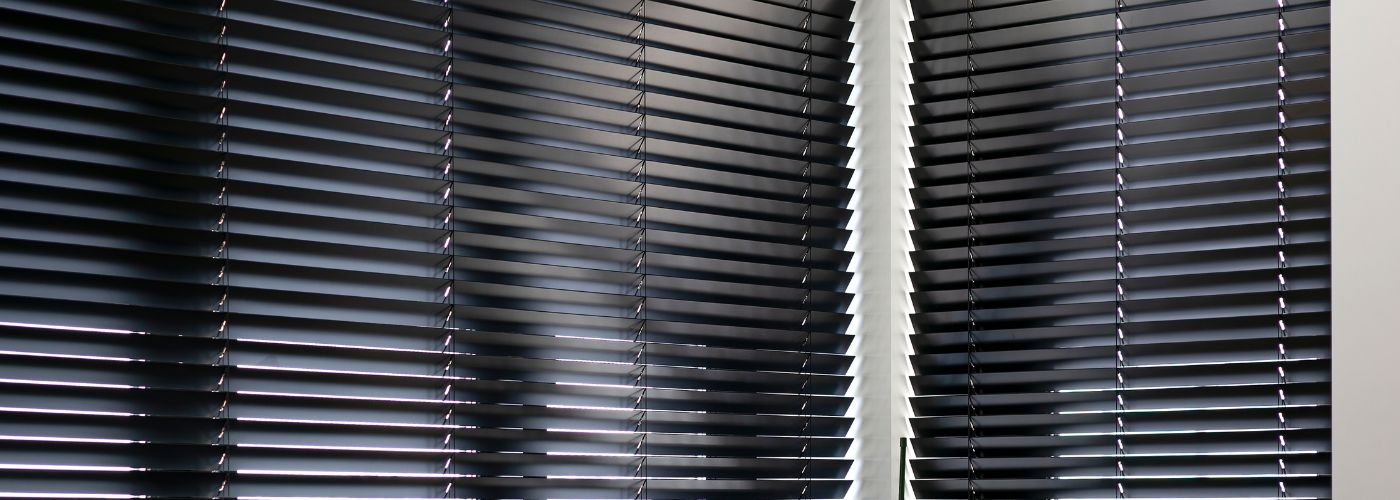
These window treatment styles work well in offices, kitchens, bedrooms, and other areas where adjustable privacy is useful.
Blinds are also widely available in standard sizes, which can make them easier to purchase and replace. However, individual slats can bend, crack, or become tangled.
Although blinds are practical, cleaning every slat can take more time than wiping a single flat surface. Corded versions may also create a safety concern in homes with young children or pets, making cordless designs a better option.
What to Know About Curtains and Drapes
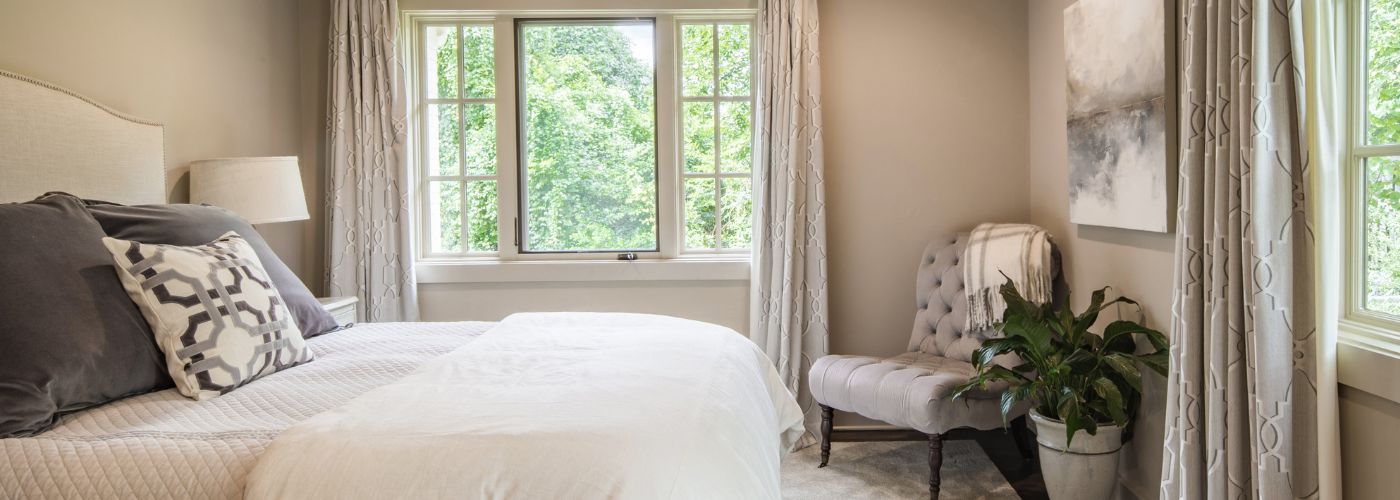
Curtains and drapes are popular because they bring softness, color, and texture into a room. They are available in many fabrics, patterns, lengths, and levels of thickness.
Lightweight curtains allow natural light to enter, while lined drapes can darken a bedroom or media room. Among the many window treatment styles available, fabric panels offer one of the easiest ways to personalize a space.
Curtains and drapes can make a room feel warmer and more finished while also improving privacy. Heavy fabric may even reduce drafts around older windows. However, fabric can collect dust, pet hair, and odors over time.
Some panels can be washed at home, but delicate materials may require professional cleaning. Long curtains can also get in the way of furniture, floor vents, pets, or small children if their placement is not planned carefully.
Benefits and Limitations of Roller Shades
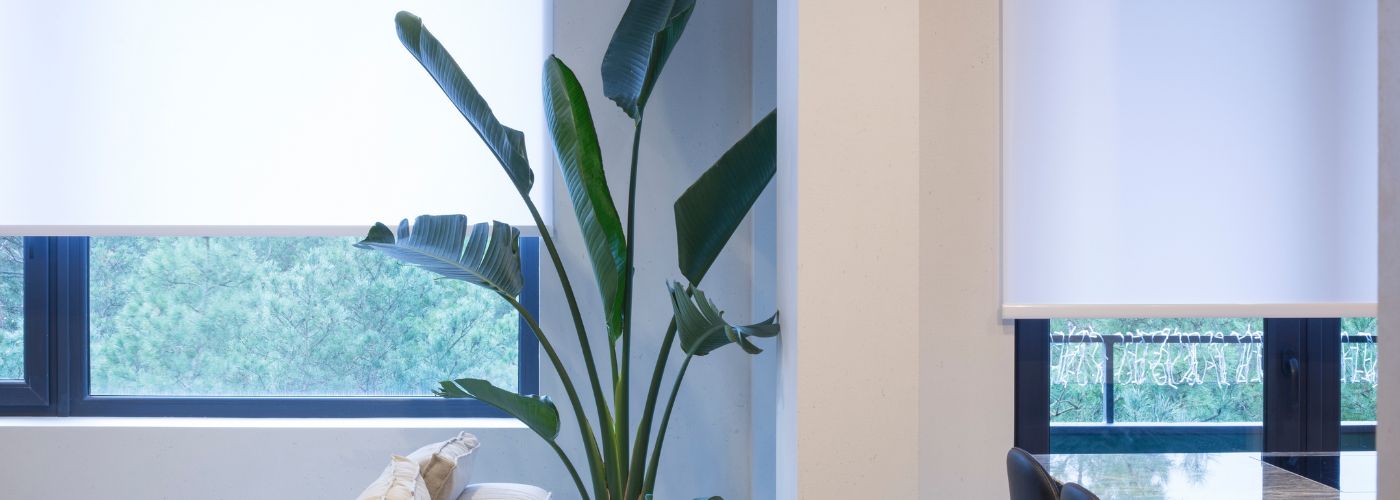
Roller shades have a simple window design that works well in modern and traditional rooms. A single piece of material rolls up neatly at the top of the window, leaving a clear view when open.
They can be made with light-filtering fabric, solar material, or blackout fabric. Their compact shape makes roller shades especially useful where bulky coverings would feel distracting or take up too much space.
Compared with more decorative window treatment styles, roller shades usually create a cleaner and less detailed appearance. Their flat surface is often easy to dust, and motorized models can be convenient for tall or difficult-to-reach windows.
One limitation is that they do not offer the same adjustable light control as blinds. They are generally open, closed, or positioned somewhere between the two. Lower-quality shades may also roll unevenly, wrinkle near the edges, or develop problems with the lifting mechanism.
Pros and Cons of Roman Shades
Roman shades combine the softness of fabric with the convenient movement of a shade. When raised, the material gathers into folds that add depth and visual interest.
When lowered, it creates a smooth or gently folded covering across the window. These window treatment styles can work with casual, traditional, or elegant interiors depending on the fabric and fold design.
Roman shades can be lined to increase privacy, reduce incoming light, or improve insulation. Homeowners can also choose from many colors and patterns, making it easier to coordinate the shade with furniture and wall colors.
Cleaning is a possible drawback because the folds may hold dust, and some fabrics cannot be washed easily.
The shade can also block part of the upper window even when raised. A carefully selected fabric can give Roman shades a custom appearance, but detailed materials and professional installation may increase the total cost.
Comparing Plantation Shutters to Other Options
Plantation shutters are solid window coverings with wide louvers that can be tilted to manage light and privacy. They are usually fitted directly inside or around the window frame, giving them a permanent, built-in appearance.
Unlike fabric products, shutters keep their shape and do not need to be lifted completely to adjust the amount of daylight. They can also add a clean architectural feature to both traditional and contemporary rooms.
Of all the window treatment styles discussed, plantation shutters are often one of the more expensive choices at the time of installation. Custom sizing and professional fitting can add to the initial cost, especially in a home with unusually shaped windows.
The higher price may be worthwhile for homeowners who want a durable covering that can remain attractive for many years. Shutters are generally easy to wipe clean, and quality materials can resist everyday wear better than fabric or thin slats.
There are still a few limitations to consider. Shutters can reduce the amount of visible glass because their frames and louvers remain in place even when they are open. Their solid construction may also feel too heavy in a small room or on a narrow window.
Unlike curtains, they cannot be changed quickly when a homeowner wants a new color or pattern. They are best suited for people who want a long-term solution rather than a covering they plan to replace with changing design trends.
How to Love Your Home Again
Sometimes we can feel uninspired and tiresome with the home we once loved so dearly.
Jan
Affordable Ways to Glamorize Your Home
There are many affordable ways to glamorize your home; elka Interiors & Construction is here
Jan
How to Stage Your Bathroom to Add Appeal
Home staging is a great way to incorporate an added sense of luxury and increase
Jan