
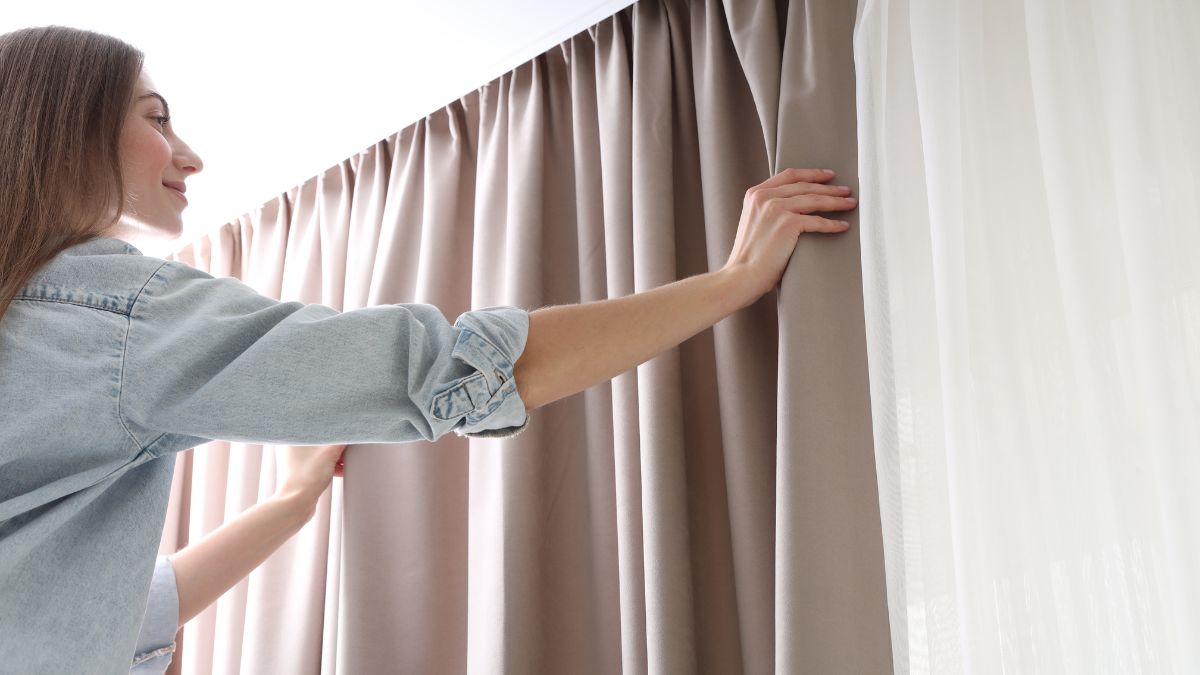
Texture can change how a room looks and feels without requiring major changes to the layout. By combining smooth, soft, rough, woven, and natural surfaces, a space can feel more balanced and visually interesting.
This article goes over some of the best ideas for using textures in interior design throughout a home.
How To Mix Different Textures In Interior Design
Mixing textures in interior design starts with choosing materials that complement each other instead of making every surface look the same.
A room may include smooth painted walls, soft furniture, natural wood, woven decorations, and harder materials such as stone or metal.
Each surface adds a different visual quality that can make the overall design feel more complete.
It is helpful to spread different materials throughout the room rather than placing every textured feature in one area. For example, a smooth coffee table can sit near a fabric sofa, while a woven rug adds another layer underneath.
Curtains, pillows, wall decorations, and lighting fixtures can introduce additional finishes without requiring major remodeling.
A balanced mixture of surfaces can give a room more character while still keeping the design comfortable and organized.
Color also affects how different materials work together. Neutral colors can make changes in texture more noticeable because the eye focuses on the surface rather than a strong color difference.
In rooms with brighter colors, repeating similar shades across different materials can help keep the design connected.
The goal is not to use as many textures as possible, but to select a few that create enough contrast to make the room interesting.
Soft Fabrics for Comfortable Living Spaces
Fabric introduces softness that can balance harder materials found throughout a home. Sofas, upholstered chairs, curtains, bedding, rugs, blankets, and decorative pillows provide many opportunities to add fabric without changing permanent surfaces.
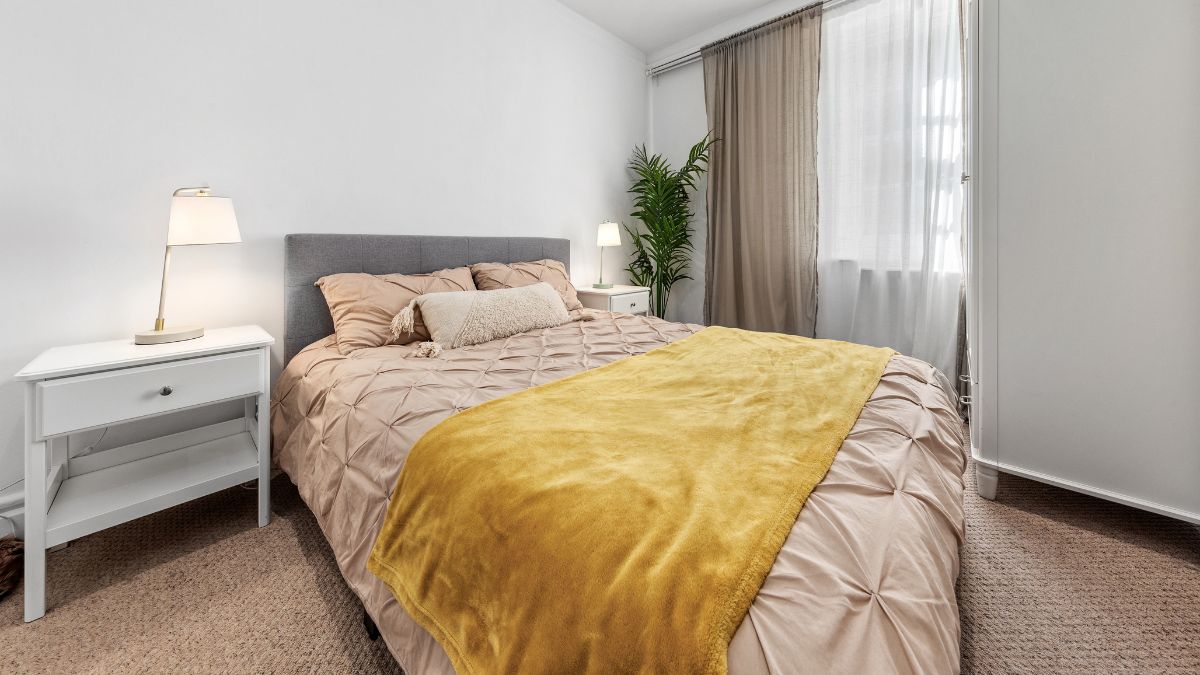
Using different fabric finishes also makes it possible to create subtle contrast within the same color palette.
When choosing textures in interior design, materials such as cotton, linen, velvet, wool, and other upholstery fabrics can each create a different feeling.
Linen can provide a relaxed appearance, while velvet has a smoother and richer surface. Wool and heavier woven fabrics can add noticeable depth, especially when used on rugs, blankets, or furniture.
Layering fabrics is another simple way to make a room feel more comfortable. A sofa can combine smooth upholstery with textured pillows and a soft throw, while a bedroom can include sheets, a comforter, accent pillows, and curtains with different finishes.
Using several fabric surfaces can make a space feel inviting without requiring additional furniture or decorative pieces. Keeping the colors coordinated helps the layers feel intentional rather than crowded.
Natural Wood for Warmth and Character
Natural wood is one of the easiest materials to introduce into many decorating styles. Wood grain provides its own pattern, and differences in knots, lines, and tones give each surface a distinct appearance.
When using textures in interior design, wood can work especially well on floors, cabinets, tables, shelving, ceiling beams, and decorative wall panels.
Wood can soften the appearance of rooms that contain many hard, smooth, or modern surfaces. A wooden dining table, for example, can create a warmer focal point in a space with painted walls and metal lighting.
Smaller wood details, such as picture frames, stools, floating shelves, or side tables, can provide the same effect when a large wood feature is not needed.
The finish of the wood can also influence the overall look. Smooth finished wood often feels cleaner and more refined, while wood with visible grain or a slightly weathered surface can create a more natural appearance.
Mixing different wood pieces can work well when their tones share similar warm or cool qualities. This helps create variety without making the room look disconnected.
Woven Materials for Added Visual Depth
Woven materials bring visible patterns and small surface details into a room. Rattan, wicker, cane, jute, and similar materials can be used for baskets, chairs, rugs, storage pieces, light fixtures, and decorative accessories.
Because the weave itself creates texture, these materials can add detail even when their colors are simple and neutral.
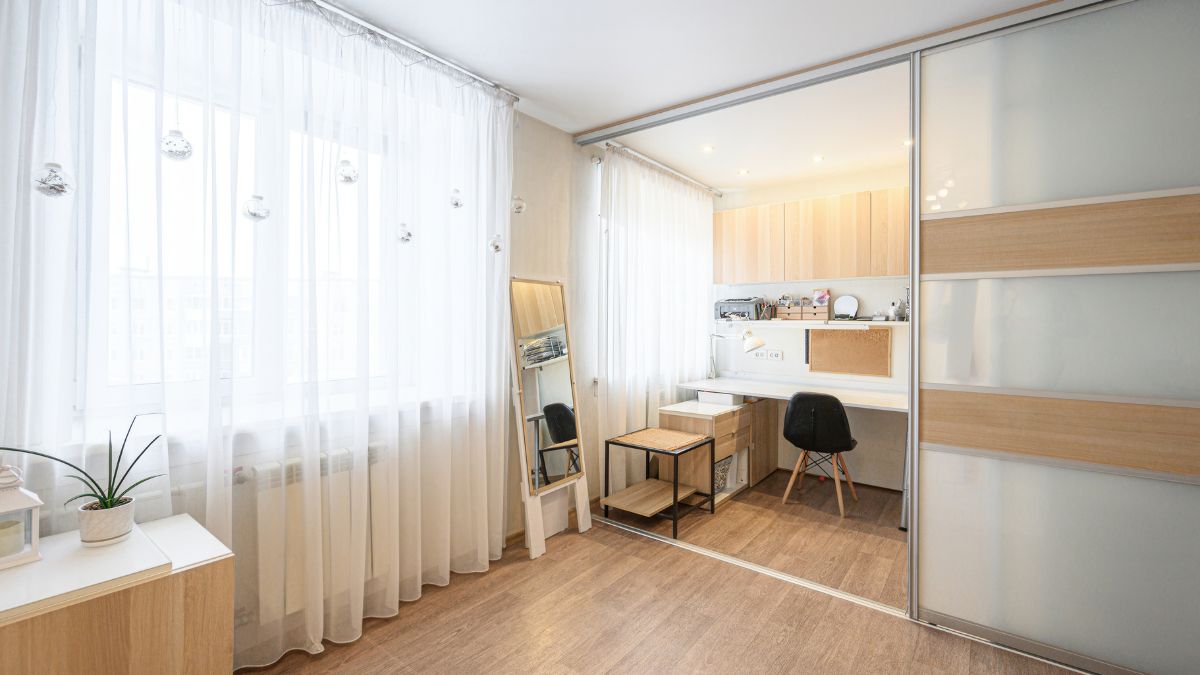
Woven pieces are especially useful for breaking up areas that contain large amounts of smooth furniture, cabinetry, or painted surfaces.
A woven basket beside a smooth cabinet or a jute rug beneath a polished table creates noticeable contrast. These combinations allow individual materials to stand out without requiring bold patterns or bright colors.
Woven textures in interior design can also help connect different areas of an open room. Similar woven elements can appear in several places, such as a basket near the entryway, dining chair details, and a light fixture above the table.
Repeating the material in small amounts creates visual consistency while allowing each area to maintain its own purpose and appearance.
Brushed Metal for a Sleek Modern Touch
Metal can add a clean contrast to softer and more natural materials. Brushed finishes are often less reflective than highly polished metal, allowing them to introduce a modern detail without becoming the strongest feature in the room.
Brushed metal can appear on cabinet hardware, faucets, furniture legs, light fixtures, mirrors, shelving, and decorative accessories.
Different metal finishes can create different effects when working with textures in interior design. Brushed brass or bronze may add warmth, while stainless steel, nickel, or similar finishes can create a cooler appearance.
The surrounding materials can help determine which finish fits the space. Warm wood and fabric can balance cooler metals, while stone and neutral colors can create a cleaner contemporary combination.
It is usually helpful to repeat a metal finish in several small areas instead of using many unrelated finishes. For example, cabinet handles can coordinate with lighting hardware or furniture details.
Repeating a metal finish helps create a consistent design while still allowing the material to provide contrast against softer surfaces. This approach can make the room feel coordinated without requiring every fixture to match exactly.
Textured Stone for a Bold Natural Finish
Stone introduces natural variation through its color, pattern, and surface. Depending on the material and finish, stone can appear smooth and polished or rough and highly detailed.
It may be used for fireplaces, accent walls, countertops, backsplashes, flooring, bathroom surfaces, or smaller decorative features throughout the home.
Textured stone can become a strong focal point, so it often works best when surrounding materials are simpler. A stone fireplace, for example, can stand out against smooth walls and soft furniture.
Allowing one natural surface to become the main feature can create visual interest without making the entire room feel overly busy. Wood and fabric can then be used nearby to soften the harder appearance of the stone.
When incorporating stone as one of the textures in interior design, consider both its visual pattern and physical finish. Heavily textured stone may create more contrast, while smoother stone provides a more subtle effect.
The amount used can also change the feeling of the room. A full stone wall creates a dramatic feature, while a stone tabletop, backsplash, or fireplace surround provides a smaller accent.
Lighting can make the natural details of stone more noticeable by creating small highlights and shadows across the surface.
Combining stone with wood, fabric, woven materials, and carefully selected metal finishes can create several layers of texture while keeping each material visually distinct.
This makes it possible to build depth throughout the room without depending only on color or decorative patterns.
How to Love Your Home Again
Sometimes we can feel uninspired and tiresome with the home we once loved so dearly.
Jan
Affordable Ways to Glamorize Your Home
There are many affordable ways to glamorize your home; elka Interiors & Construction is here
Jan
How to Stage Your Bathroom to Add Appeal
Home staging is a great way to incorporate an added sense of luxury and increase
Jan